
 SolarbioLIFE SCIENCES
A spin-column workflow for isolating genomic DNA from whole-blood samples, supported by a detailed protocol, batch-specific quality records and published research references.
Manufactured by Solarbio · Supplied by Sri Saradi Scientific Pvt. Ltd.
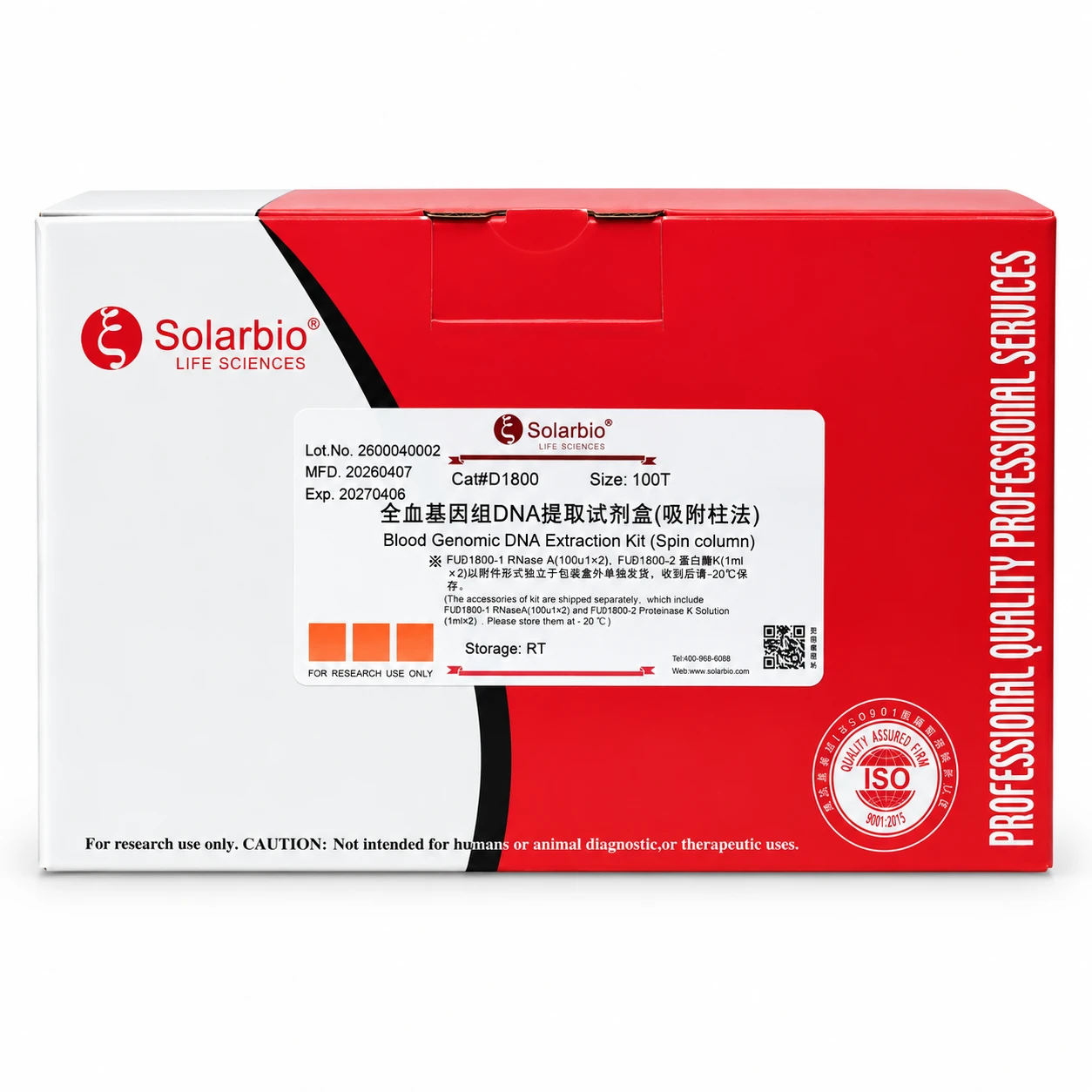
Solarbio D1800 combines red-blood-cell processing, cell lysis, protein removal, silica-column adsorption, washing and elution in a defined extraction protocol.
The manufacturer's protocol describes a 100–500 µL whole-blood sample range, including fresh or anticoagulated samples.
A silica-based adsorption column binds DNA during purification, followed by washing and elution.
The manufacturer lists PCR, restriction digestion, library construction and Southern hybridization among intended workflows.
Specifications are taken from the supplied manufacturer protocol.
| Product | Blood Genomic DNA Extraction Kit (Spin Column) |
| Catalogue no. | D1800 |
| Pack size | 100T |
| Blood input | 100–500 µL |
| Elution | 50–100 µL |
| Method | Silica adsorption / centrifugation |
| Classification | Research Use Only (RUO) |
RNase A and Proteinase K are specified for storage at −20°C. The remaining components are listed for room-temperature storage. Consult the enclosed protocol for all handling and storage conditions.
Absolute ethanol is added to the wash buffer before first use (45 mL per bottle for the 100T kit). The protocol also notes considerations for anticoagulants, sample freezing and elution conditions.
Multiple views of the supplied Solarbio D1800 kit. The product label and batch identifiers are presented as photographed.
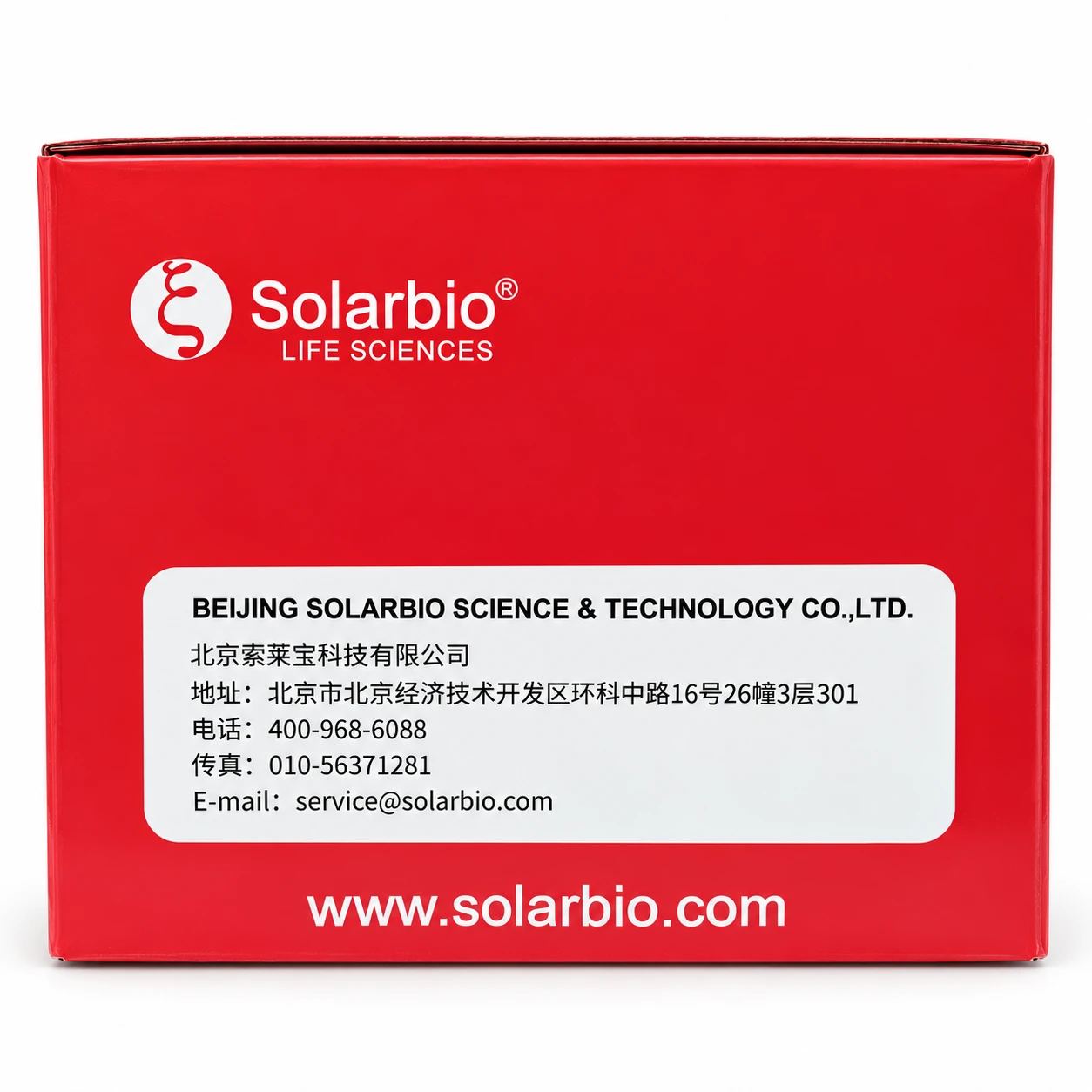
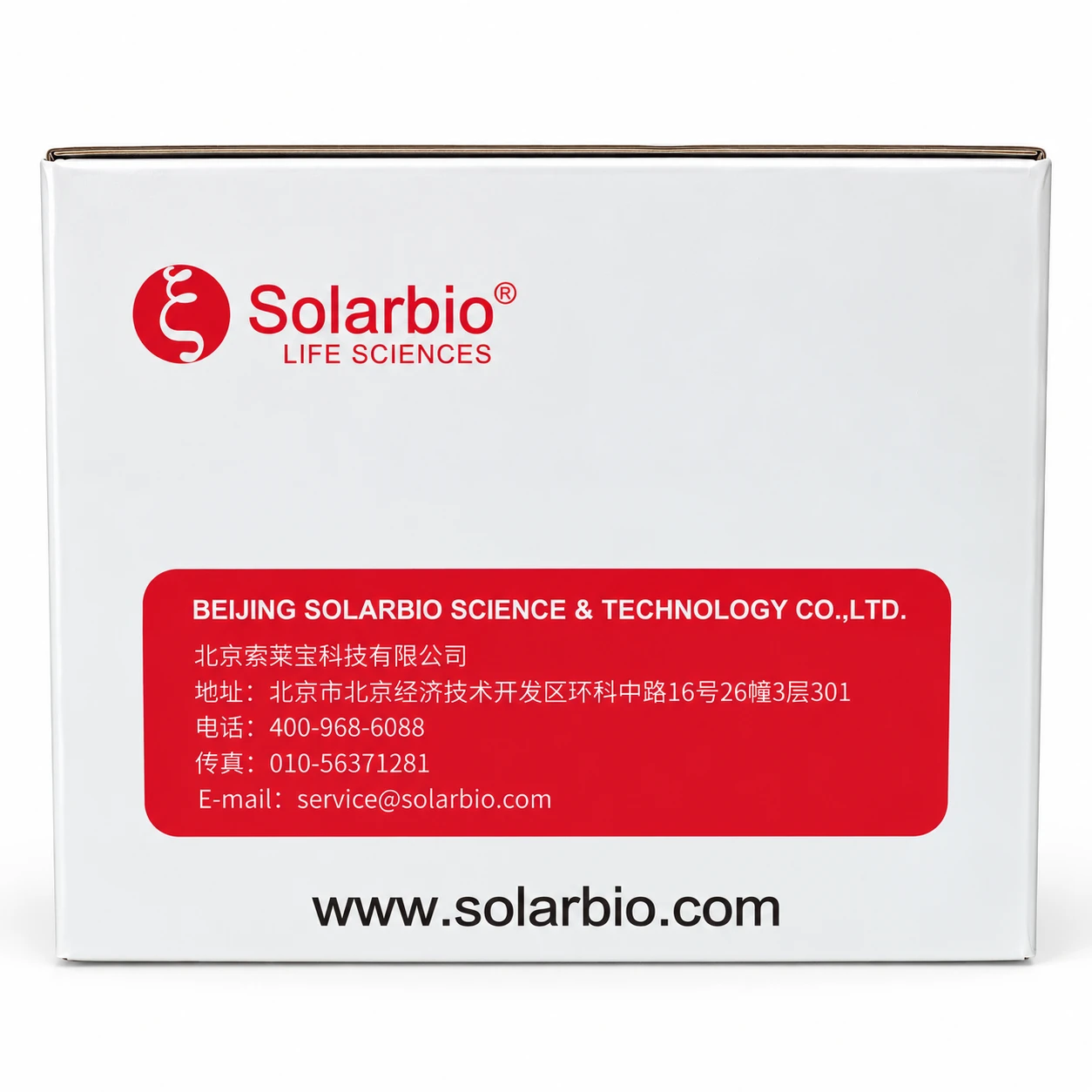
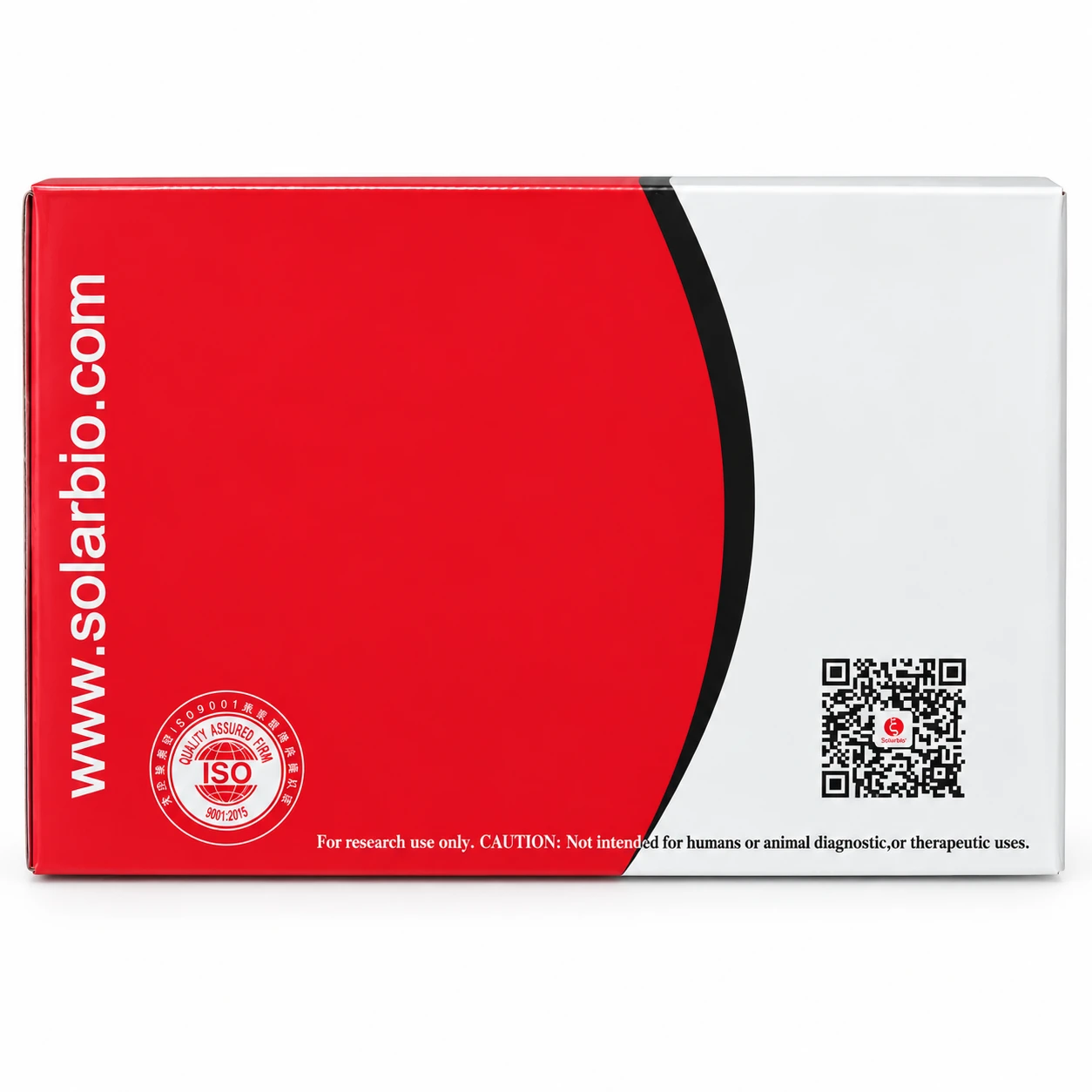
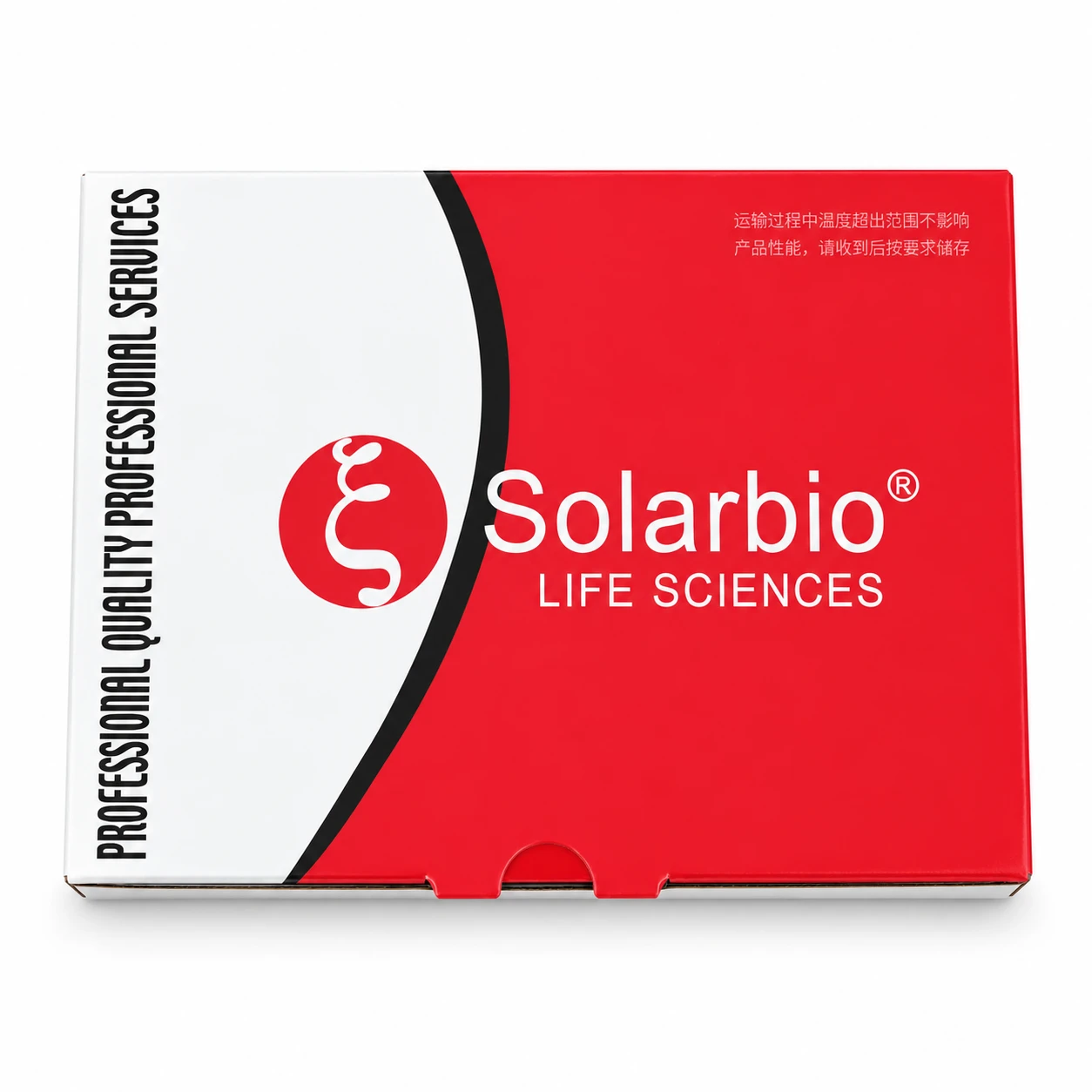
Photos are based on the actual package supplied for this page; white framing and contrast have been adjusted for consistency. Lot details must be confirmed for the shipment supplied to each customer.
Rather than generic laboratory imagery, this section presents the actual agarose gel supplied with the product materials.
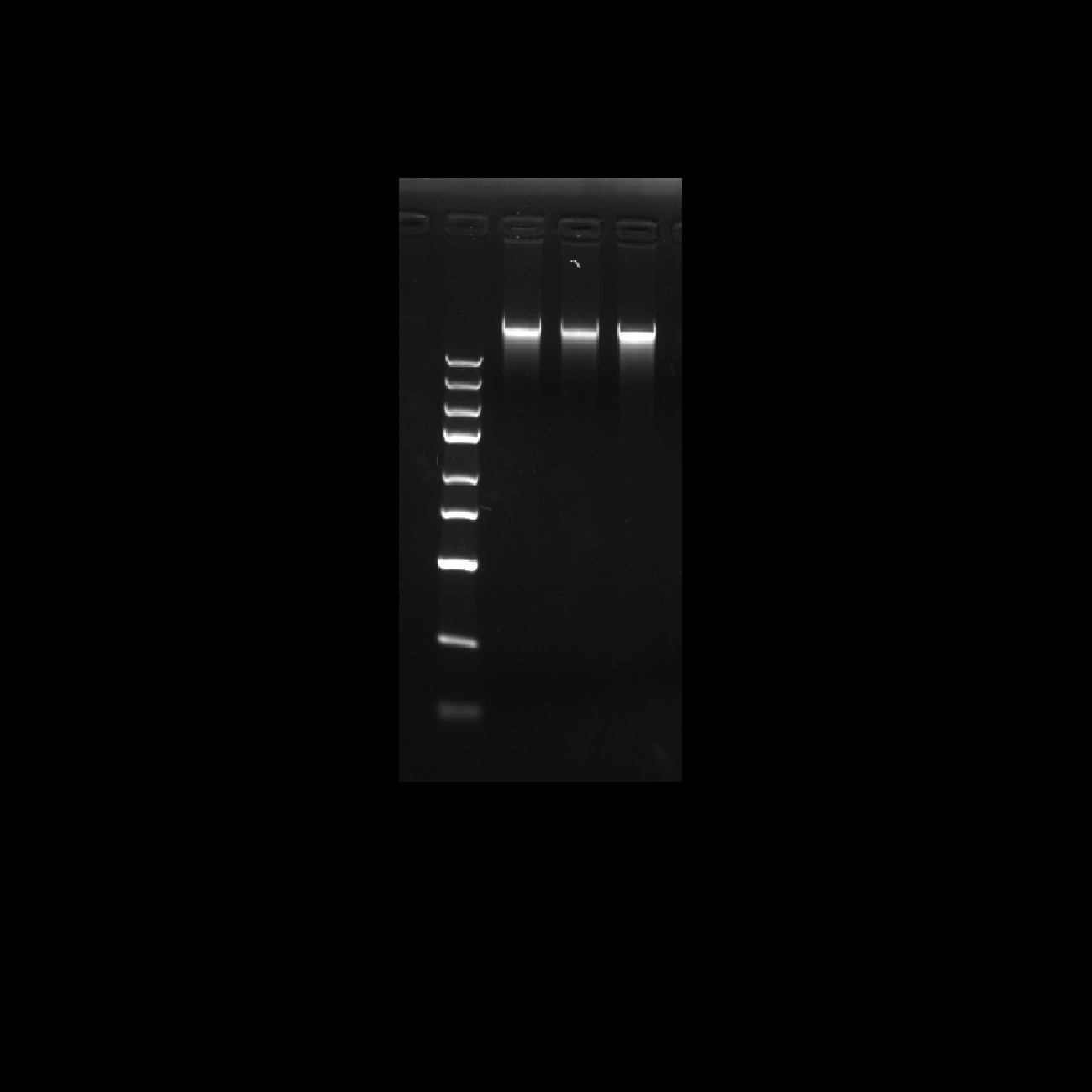
Supplied agarose gel image: marker lane at left and three sample lanes. The bright DNA signals are visible, but this photograph alone does not establish precise yield, purity or DNA fragment sizes.
The gel shows detectable DNA signals across three sample lanes. For a complete technical comparison, laboratories should also consider sample volume, gel conditions, molecular-weight ladder identity, loading amount, extraction yield and purity measurements.
The gel is shown without artificial recreation of bands. Ask our scientific team for available experimental details and supporting documentation when evaluating suitability for your laboratory.
If your application requires a specific concentration or fragment-size range, discuss the workflow before ordering.
| RNase A | 100 µL × 2 |
| Proteinase K | 1 mL × 2 |
| Red Blood Cell Lysis Buffer | 120 mL |
| Solution A: Leukocyte Lysate | 50 mL |
| Solution B: Protein Precipitate | 50 mL |
| Wash Buffer | 15 mL × 2 |
| Elution Buffer | 20 mL |
| DNA Adsorption Columns | 100 |
| Instructions | 1 |
Bring your own absolute ethanol. Add 45 mL to each supplied wash-buffer bottle according to the manufacturer label and protocol.
Plan correct enzyme storage. Store RNase A and Proteinase K at −20°C; the main buffer components are designated for room-temperature storage.
Check sample compatibility. The protocol discusses EDTA, ACD and heparin anticoagulants, and notes possible PCR inhibition with heparin-derived samples.
Manufacturer-issued certificates are available for the two documented lots. Both list qualified results for appearance, extraction performance and stability checks as described by Solarbio.
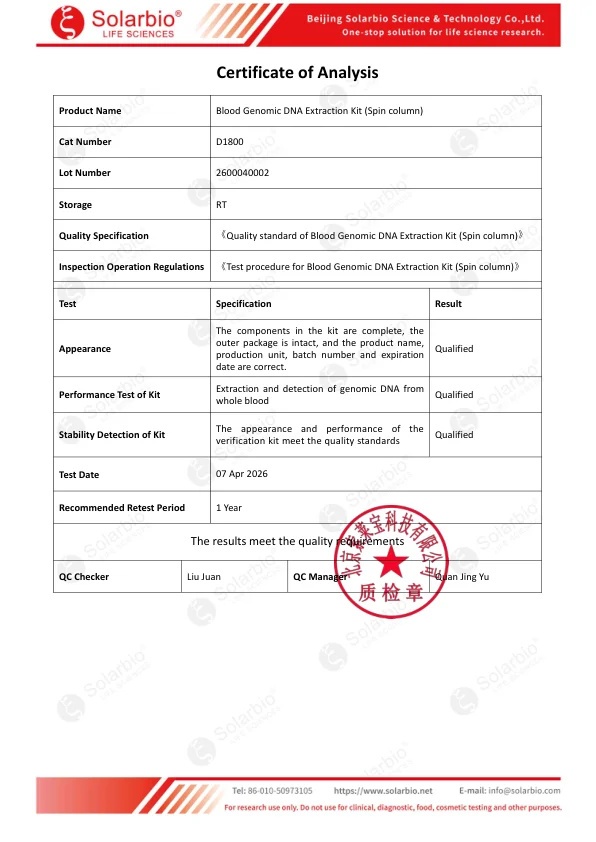
Lot 2600040002
Tested 7 April 2026
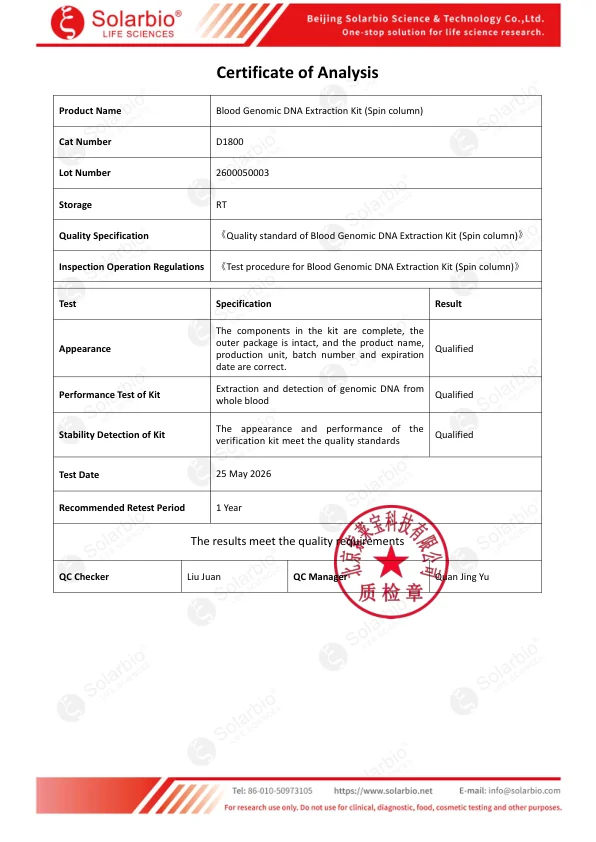
Lot 2600050003
Tested 25 May 2026
Extraction workflow, reagent preparation, kit contents and handling notes.
View / download PDF ↗The COA accompanying any particular order should correspond to the actual lot shipped. A certificate is evidence of the listed manufacturer tests; it is not an independent claim of quantified DNA yield or purity.
The following references were supplied and identified as D1800 citations. Researchers can consult the full papers and supplementary methods for experimental context.
Shen et al. · Science Translational Medicine · 2023
DOI: 10.1126/scitranslmed.abq5753 ↗Zhou et al. · Fish & Shellfish Immunology · 2023
DOI: 10.1016/j.fsi.2023.109084 ↗Publication associations are supplied by the distributor; access to full-text methods may be required to independently check exact D1800 usage and experimental conditions. Citations do not imply journal endorsement or independently establish this product's performance.
Purchase online, or request a formal quotation for institutional approval and purchase-order processing.
Free shipping across India. Orders are packed and shipped under temperature-controlled conditions appropriate to the manufacturer’s stated storage requirements. RNase A and Proteinase K require −20°C storage.
| Product price | ₹19,000 |
| GST (18%) | ₹3,420 |
| Total (free India shipping) | ₹22,420 |
Payments are processed securely by Zoho Payments (UPI, cards, net banking). We do not see or store your card details.
Research institutions and procurement teams can request a formal quotation, GST details, batch documentation and delivery confirmation before raising a PO.
For research use only. Please review storage requirements for RNase A and Proteinase K in the protocol. Provide your institution's billing and GST information when placing an order.
Tell us your sample type, expected number of extractions and any technical questions. Sri Saradi Scientific can provide a formal quotation, purchase-order support and supporting documentation.
Sri Saradi Scientific Private Limited
Hyderabad, India
www.srisaradiscientific.com ↗